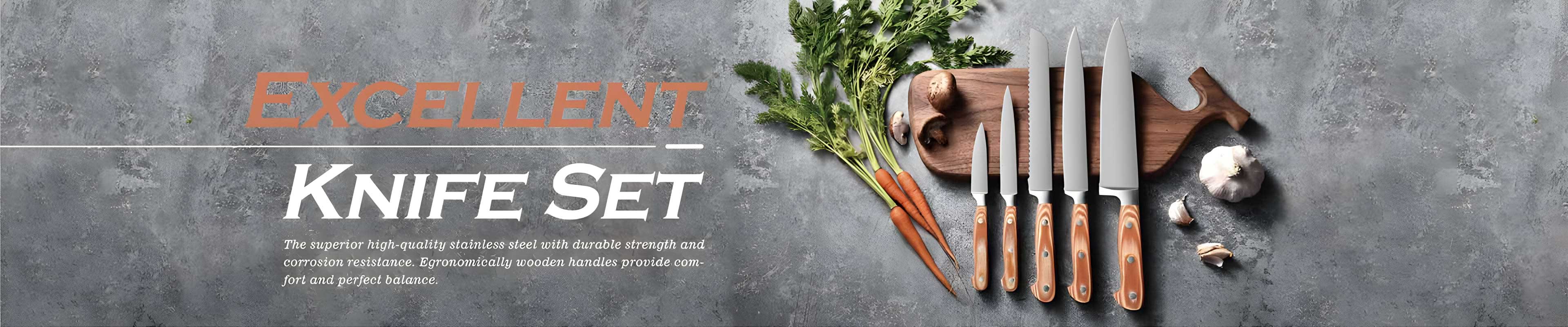
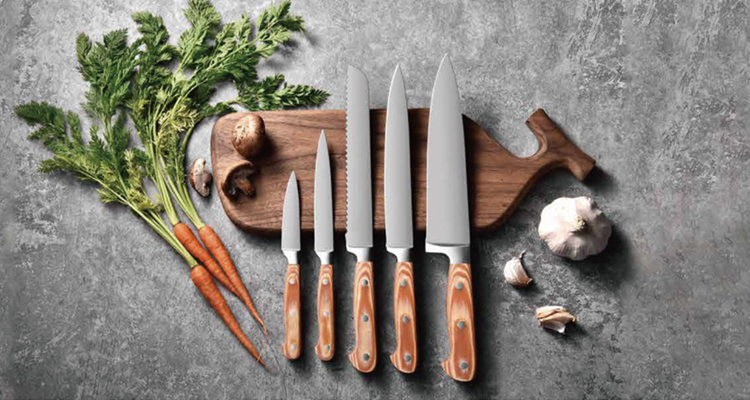
Choosing the right knife can transform your beef-cutting experience. Have you ever struggled with tough cuts of meat? The quality of your knife matters more than you think.
In this article, we’ll explore what makes the best beef knife. You’ll learn about different blade materials, designs, and customization options to elevate your cooking.
Understanding Different Types of Beef Cuts
When it comes to cutting beef, understanding the various cuts is essential. Each cut has unique characteristics that influence the best knife to use. Here’s a closer look at some common beef cuts and how they affect knife selection.
Common Beef Cuts and Their Characteristics
1. Ribeye: Known for its marbling and tenderness, ribeye steak is juicy and flavorful. It’s perfect for grilling and requires a sharp knife for clean cuts.
2. Sirloin: This cut is leaner than ribeye but still offers great flavor. It’s versatile and can be used for grilling or roasting. A good chef's knife works well here.
3. Chuck: Often tougher, chuck cuts come from the shoulder area. They are ideal for slow cooking or braising. A sturdy, serrated knife can help navigate the tougher fibers.
Beef Cut | Characteristics | Recommended Knife Type |
Ribeye | Tender, well-marbled | Sharp chef’s knife |
Sirloin | Lean, flavorful | Good quality chef’s knife |
Chuck | Tough, ideal for slow cooking | Sturdy serrated knife |
Choosing the right knife for each cut ensures better cooking results. For instance, a ribeye benefits from a straight-edged knife to maintain its juicy texture, while tougher cuts like chuck may require a serrated blade to handle the fibers effectively.
The Importance of Knife Selection Based on Beef Type
Selecting the right knife also depends on whether the cut is tender or tough. Tender cuts, such as filet mignon, require precision and sharpness. A high-quality, straight-edged knife is ideal for these cuts, allowing for thin, clean slices without tearing the meat.
On the other hand, tougher cuts like brisket or chuck need a different approach. These cuts are often fibrous, making them more challenging to slice. A serrated knife shines here, as it can grip the meat and cut through the tough exterior without excessive force.
Key Points to Consider:
● Tender Cuts: Use sharp, straight knives for clean slicing.
● Tough Cuts: Opt for serrated knives to manage tougher fibers.
● Knife Quality: Investing in a high-quality knife pays off in the kitchen.
Understanding these factors can greatly enhance your beef-cutting experience. The right knife not only makes the task easier but also improves the overall quality of your meals. Remember, the best beef knife is one that suits the specific cut you’re working with.
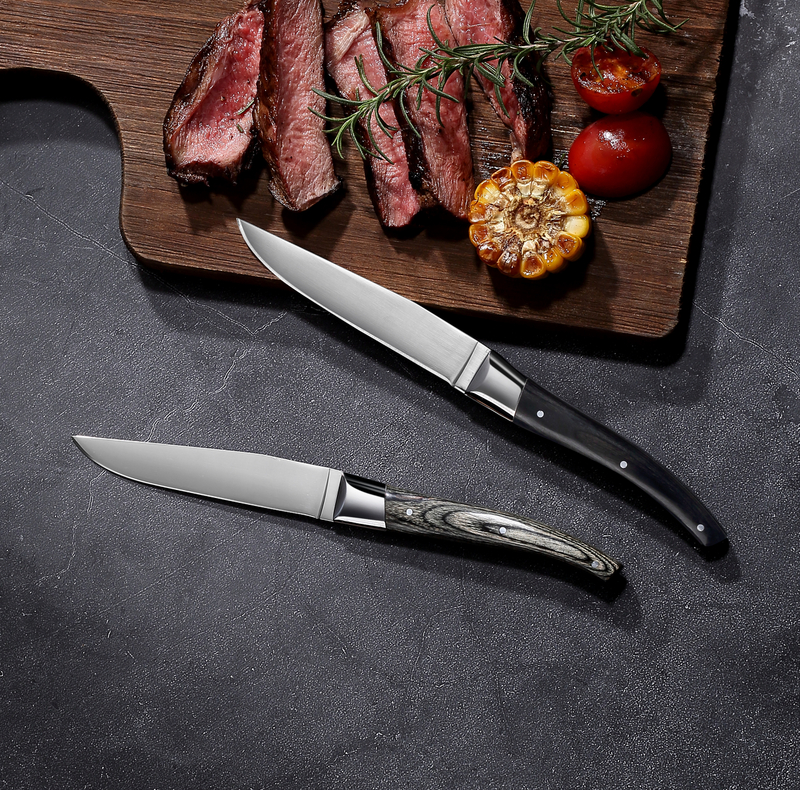
Key Features of the Best Beef Knife
When selecting the best beef knife, several key features come into play. Understanding these aspects can help you make an informed choice, ensuring that your knife performs well in the kitchen.
Blade Material
The blade material significantly impacts the knife's performance and longevity. Two popular choices are stainless steel and high-carbon steel.
● Stainless Steel: Known for its corrosion resistance, stainless steel is easy to maintain. It retains sharpness well, making it a favorite for many home cooks.
● High-Carbon Steel: This material offers excellent sharpness and edge retention but requires more maintenance to prevent rust. It’s often favored by professional chefs.
Let's take a closer look at two specific types of stainless steel used in beef knives:
Blade Material | Sharpness | Durability | Maintenance |
S.S.420 | Good | Moderate | Low |
3Cr13MoV | Excellent | High | Moderate to High |
The S.S.420 stainless steel provides good sharpness and is relatively easy to care for, while 3Cr13MoV offers superior sharpness and durability, making it a fantastic option for those who want a long-lasting knife.
Blade Design
Straight vs. Serrated Blades
Choosing between straight and serrated blades is crucial for cutting beef effectively.
● Straight Blades: Ideal for tender cuts like ribeye or filet mignon, straight blades provide clean slices and minimize tearing. They are perfect for precise cuts.
● Serrated Blades: These are particularly beneficial for crusty or seared beef, such as grilled steak. The serrated edge grips the surface, allowing for easy cutting without crushing the meat.
Hollow Ground vs. Flat Ground Blades
The design of the blade edge also plays a vital role.
● Hollow Ground Blades: These blades have a concave edge, reducing friction when cutting through meat. This design allows for smooth, effortless cuts, making it easier to slice through various beef textures.
● Flat Ground Blades: While they provide a robust cutting edge, they may require more effort to slice through tougher cuts.
Handle Design and Ergonomics
Equally important is the handle design, which affects comfort and control during use. An ergonomic handle ensures a secure grip, reducing strain on your hands during extended cutting sessions.
● Pakka Wood: This material is not only aesthetically pleasing but also moisture-resistant. It provides a comfortable grip, making it ideal for kitchen environments.
● POM (Polyoxymethylene): A lightweight and impact-resistant plastic, POM handles are durable and easy to clean. They often feature non-slip designs, enhancing safety when handling greasy or wet beef.
Key Points to Consider:
● Comfort: A well-designed handle prevents fatigue during use.
● Grip: Moisture-resistant materials help maintain a secure hold.
● Durability: Quality materials ensure long-lasting performance.
These features collectively contribute to the effectiveness of the best beef knife, enhancing your overall cooking experience. Investing in a knife that combines quality materials, thoughtful design, and ergonomic comfort can make a significant difference in your kitchen.
Customization Options for Your Beef Knife
When it comes to finding the best beef knife, customization can make all the difference. Tailoring a knife to fit your specific needs enhances its performance and usability in the kitchen. Let’s explore the options available for customizing your beef knife.
Understanding OEM/ODM Services
OEM (Original Equipment Manufacturer) and ODM (Original Design Manufacturer) services play a crucial role in the customization of knives.
● OEM Services: These allow you to create knives based on existing designs but tailored to your specifications. You can choose features like blade length, thickness, and even the finish.
● ODM Services: With ODM, you can work with manufacturers to design a completely new knife from scratch. This is ideal for those looking for unique designs or specific functionalities.
The benefits of customizing knives through these services are significant. For example, if you prefer a longer blade for slicing brisket or a thicker handle for better grip, customization makes it possible. This ensures that the knife feels comfortable and performs optimally for your cooking style.
Tailoring Knife Sets for Different Uses
Customization doesn’t stop at individual knives. You can also create tailored knife sets that cater to various needs.
● Home Cooks: For everyday cooking, a set including a chef's knife, paring knife, and carving knife can be incredibly useful. Each knife can be customized based on the cook’s preferences, ensuring they have the right tools for their recipes.
● Restaurants: Professional kitchens often require specialized knives that can withstand heavy use. Custom sets can include knives designed for specific types of meat, ensuring chefs have exactly what they need at their fingertips.
● Gifting: Personalized steak knife sets make for thoughtful and unique gifts. GARWIN offers options to engrave names or messages, adding a personal touch to your gift.
Use Case | Recommended Knives | Customization Options |
Home Cooks | Chef's knife, paring knife, carving knife | Blade length, handle material |
Restaurants | Chef's knife, boning knife, cleaver | Blade shape, ergonomic handles |
Gifting | Steak knife set | Engraving, packaging options |
GARWIN’s commitment to customization means you can create a knife set that truly reflects your culinary style and needs. Whether it’s for personal use or as a gift, tailored options ensure that every knife serves its purpose perfectly.
By choosing customized knives, you’re not just getting a tool; you’re investing in a culinary experience that enhances your skills and enjoyment in the kitchen.
Quality Assurance and Testing
When selecting the best beef knife, quality assurance and testing are crucial factors. These processes ensure that every knife meets high standards for performance and durability. Let’s delve into GARWIN's commitment to quality and how they test their knives.
Importance of Quality Control
GARWIN takes quality control seriously. Their quality assurance processes include a meticulous 100% inspection at every production step. This means that each knife is carefully examined before it reaches the consumer.
● Production Inspection: Every stage of manufacturing, from blade forging to handle assembly, undergoes rigorous checks. This ensures that any defects are caught early, maintaining the integrity of the final product.
● Certifications: GARWIN holds several important certifications, such as ISO9001 and SGS. These certifications signify that their processes meet international standards, giving consumers confidence in the quality and safety of their knives.
Certification | Description | Importance |
ISO9001 | Quality management system | Ensures consistent quality |
SGS | Global leader in inspection and certification | Validates product safety and reliability |
These certifications not only enhance consumer trust but also reflect GARWIN’s commitment to excellence in knife manufacturing.
Testing for Performance
To guarantee that their knives perform exceptionally, GARWIN conducts a series of rigorous tests. These tests assess various factors that are critical for a high-quality beef knife.
● Cutting Performance: Each knife undergoes practical cutting tests to evaluate how well it slices through different types of beef. This testing helps ensure that the knife maintains sharpness and provides clean cuts.
● Hardness Testing: The hardness of the blade is measured using standardized methods. This determines how well the knife can hold its edge over time, which is essential for durability.
● User Experience Testing: GARWIN also gathers feedback from professional chefs and home cooks. This real-world testing helps refine designs and improve usability.
Test Type | Purpose | Outcome |
Cutting Performance | Evaluate slicing efficiency | Ensures clean, precise cuts |
Hardness Testing | Measure blade durability | Confirms long-lasting sharpness |
User Experience | Gather feedback on ergonomics and design | Enhances comfort and usability |
These comprehensive testing procedures ensure that GARWIN's knives not only look great but also perform exceptionally well in the kitchen. With a focus on quality assurance and rigorous testing, you can trust that you’re investing in one of the best beef knives available.
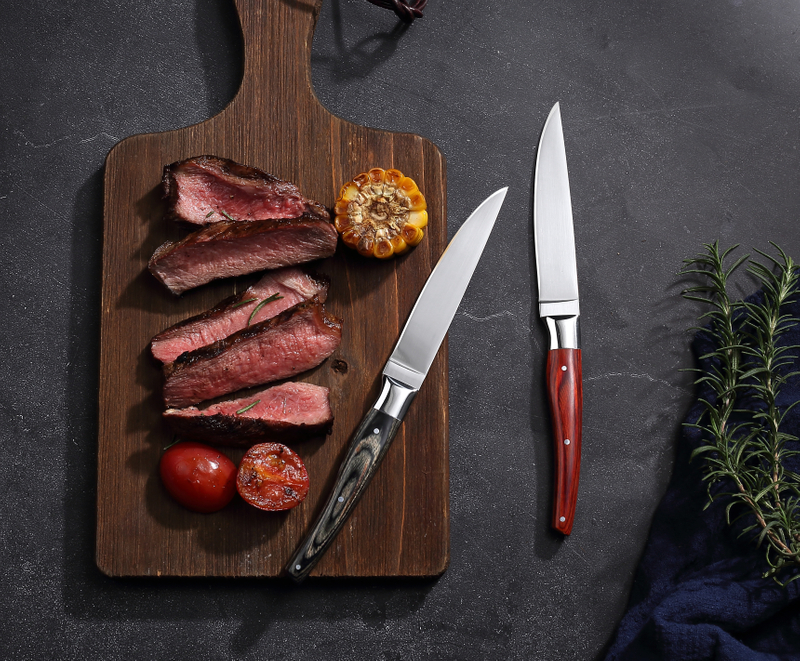
Practical Considerations for Choosing the Best Beef Knife
When selecting the best beef knife, practical considerations play a significant role. Factors like price, quality, and purchasing options can greatly influence your decision. Let’s explore these aspects in detail.
Price vs. Quality
Finding the right balance between cost and durability is essential when choosing a knife. While it might be tempting to go for the cheapest option, investing in a quality knife often pays off in the long run.
● Cost Considerations: A lower-priced knife may save you money upfront but could lead to frequent replacements due to poor performance or durability. On the other hand, a higher-quality knife made from premium materials can last for years, providing consistent performance.
● GARWIN’s Competitive Pricing: GARWIN offers a range of knives that combine competitive pricing with exceptional quality. Their commitment to using high-grade materials ensures that you get a durable product without breaking the bank. This value proposition makes GARWIN knives an attractive choice for both home cooks and professionals.
Price Range | Quality Level | Recommendation |
Low (< $30) | Often low | Suitable for occasional use |
Mid ($30 - $100) | Moderate to good | Ideal for home cooks |
High (> $100) | High | Best for professionals |
Investing a bit more in a quality knife can enhance your cooking experience and save you money over time.
Minimum Order Quantities and Lead Times
Understanding purchasing options is crucial, especially for individuals and businesses looking to buy knives in bulk.
● Minimum Order Quantities (MOQ): GARWIN offers flexible purchasing options. For individual buyers, there are no minimum order requirements, allowing you to purchase a single knife. Businesses, however, may benefit from bulk orders, with MOQs varying by model. This flexibility makes it easier for everyone to find what they need.
● Lead Times: Lead times for orders can vary based on the model and quantity. Typically, individual orders are processed quickly, while larger orders might take a bit longer to fulfill. GARWIN provides clear information on expected delivery times, ensuring you know when to expect your knives.
Order Type | MOQ | Typical Lead Time |
Individual Orders | None | 1-3 days |
Business Orders | Varies by model | 2-4 weeks |
By considering these practical factors, you can make an informed decision when selecting the best beef knife. Whether you’re a home cook or a restaurant owner, understanding price, quality, and purchasing options will help you find the perfect knife for your needs.
FAQ
Q: What is the best knife for cutting steak?
A: The best knife for cutting steak is typically a sharp, straight-edged knife, such as a steak knife or a carving knife, which allows for clean, precise cuts.
Q: How do I maintain my beef knife?
A: To maintain your beef knife, regularly sharpen the blade using a whetstone or honing rod, and clean it with warm soapy water. Avoid dishwashers to prevent damage.
Q: Can I use a chef's knife for cutting beef?
A: Yes, a chef's knife can be used for cutting beef, especially for larger cuts, but a specialized steak or carving knife is often more effective for slicing.
Q: What are the advantages of using a serrated knife for beef?
A: A serrated knife excels at cutting through crusty or seared surfaces without crushing the meat, making it ideal for grilled steaks.
Q: How often should I replace my beef knife?
A: Replace your beef knife when it shows significant wear, such as chipping or inability to hold a sharp edge, typically every few years with proper care.
Conclusion
Choosing the best beef knife is essential for optimal cutting. We discussed the importance of blade material, design, and quality assurance.
A well-chosen knife enhances your cooking experience.
Consider GARWIN's range of beef knives for quality and customization options. Explore their offerings to find the perfect knife for your needs!