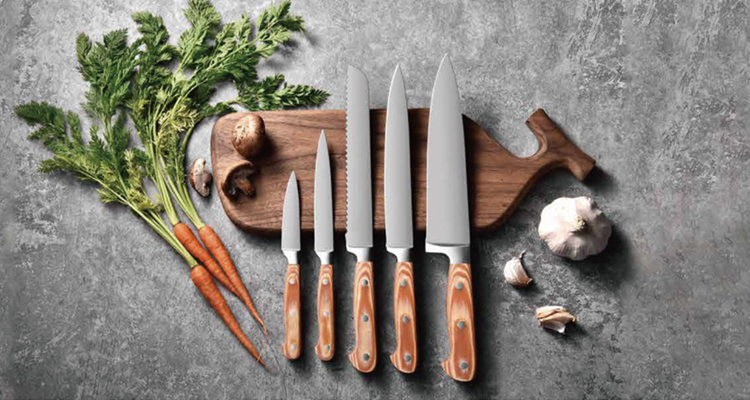
Choosing the right kitchen knife can transform your cooking experience. A high-quality knife is essential for efficiency and safety in the kitchen. In this article, we’ll explore what makes the best kitchen knife and how it can enhance your culinary skills.
Understanding Kitchen Knives
When it comes to cooking, having the right tools is essential. Kitchen knives come in various types, each designed for specific tasks. Understanding these different knives helps you choose the best kitchen knife for your needs.
Types of Kitchen Knives
1. Chef’s Knife The chef's knife is a versatile tool, often considered the workhorse of the kitchen. Typically ranging from 8 to 10 inches, it is ideal for chopping, slicing, and dicing a variety of ingredients. Whether you're preparing vegetables, meats, or herbs, this knife can handle it all with ease.
2. Paring Knife The paring knife is smaller, usually around 3 to 4 inches long. It excels at intricate tasks such as peeling fruits and vegetables, trimming fat from meat, or deveining shrimp. Its precision makes it an essential companion for detailed work in the kitchen.
3. Utility Knife The utility knife serves as a middle ground between the chef's knife and the paring knife. Generally around 5 to 7 inches long, it is perfect for tasks that require more control than a chef's knife but more strength than a paring knife. Use it for slicing sandwiches or cutting larger fruits.
4. Bread Knife A bread knife features a serrated edge, making it perfect for slicing through crusty loaves without crushing them. The saw-like teeth grip the bread, allowing for clean cuts. This knife is also great for cutting cakes or pastries, ensuring a neat presentation.
5. Boning Knife Designed for meat preparation, the boning knife has a thin, flexible blade that allows for easy maneuvering around bones. Typically around 5 to 7 inches long, it is perfect for filleting fish or deboning chicken. Its design helps achieve precise cuts, reducing waste.
6. Cleaver The cleaver is a heavy-duty knife known for its ability to chop through bone and tough cuts of meat. With a wide blade, it can also be used for crushing garlic or ginger. This knife is a must-have for anyone who enjoys preparing hearty meals.
Knife Materials
The material of a knife significantly affects its performance, durability, and maintenance.
Material | Durability | Maintenance |
Stainless Steel | Highly durable, resistant to rust | Easy to maintain; regular cleaning recommended |
Carbon Steel | Very sharp, retains edge well | Requires more care; prone to rust without proper maintenance |
Ceramic | Lightweight, stays sharp longer | Brittle; can chip or break if dropped |
Damascus Steel | Aesthetic appeal, strong performance | Requires careful handling; often more expensive |
● Stainless Steel is the most common material for kitchen knives. It offers excellent durability and is resistant to rust and corrosion. These knives are easy to maintain, requiring only regular cleaning to keep them in good shape.
● Carbon Steel knives, while sharper and able to maintain their edge longer, require more care. They can rust if not dried properly, so it’s essential to wipe them down after use.
● Ceramic knives are lightweight and maintain their sharpness for a long time. However, they are brittle and can chip or break if dropped, making them less suitable for heavy-duty tasks.
● Damascus Steel knives are known for their beautiful patterns and exceptional performance. They combine layers of steel for strength and sharpness, but they often come with a higher price tag.
Understanding the types and materials of kitchen knives helps you make informed decisions. Whether you're a novice cook or a seasoned chef, selecting the right knife can enhance your cooking experience.
Key Features of the Best Kitchen Knife
When selecting the best kitchen knife, several key features come into play. Understanding these features helps you choose a knife that meets your cooking needs and enhances your culinary experience.
Sharpness and Edge Retention
Sharpness is crucial in food preparation. A sharp knife allows for clean cuts, which is essential for both presentation and cooking efficiency. When a knife is sharp, it requires less force to cut through ingredients, reducing the risk of slipping and accidents.
Edge retention is equally important. This refers to how long a knife maintains its sharpness after use. Knives with good edge retention can perform tasks efficiently without frequent sharpening. If a knife dulls quickly, it can lead to frustration and increased risk of injury.
Durability and Material Quality
The durability of a knife largely depends on the material from which it is made. Different materials offer various benefits and drawbacks. Here’s a quick comparison:
Material | Durability | Longevity |
Stainless Steel | Highly durable, resistant to rust | Lasts well with proper maintenance |
Carbon Steel | Very sharp, retains edge well | Requires careful handling, prone to rust |
Ceramic | Lightweight, stays sharp longer | Can chip or break if dropped |
Damascus Steel | Strong performance, beautiful design | High-quality but often expensive |
Stainless steel is the most common choice for kitchen knives due to its balance of durability and ease of maintenance. Carbon steel offers exceptional sharpness but requires more care to prevent rust. Ceramic knives are lightweight and maintain sharpness but can be fragile. Damascus steel, while stunning, typically comes at a premium price.
Comfort and Ergonomics
Comfort is vital when using a knife, especially during extended cooking sessions. A well-designed handle reduces hand fatigue and allows for better control. Here are some common handle materials:
● Wood: Offers a classic feel and good grip, but requires maintenance to prevent moisture damage.
● Plastic: Lightweight and easy to clean, but may not provide the same grip as wood or rubber.
● Rubber: Provides a non-slip grip, enhancing safety during use.
An ergonomic handle design can make a significant difference in how easily you can maneuver the knife. It allows for a more natural grip, which is especially helpful when performing repetitive tasks like chopping or slicing.
Versatility
A versatile kitchen knife can handle a wide range of tasks, making it an invaluable tool in any kitchen. For instance, a good chef’s knife can chop vegetables, slice meat, and even mince herbs. This ability to replace multiple tools saves space and simplifies cooking.
Consider how often you use different knives. If you find yourself reaching for the same knife repeatedly, it’s likely a sign of its versatility. A single high-quality knife can often do the work of several lower-quality options.
Safety Features
Safety should always be a priority in the kitchen. Many modern knives come with features designed to enhance user safety. For example, non-slip handles help prevent accidents, ensuring a secure grip even when hands are wet.
Proper knife storage is also crucial. Using knife blocks, magnetic strips, or sheaths can protect the blade and keep it sharp while minimizing the risk of injury. Storing knives safely not only protects you but also extends the knife’s lifespan.
By focusing on these key features—sharpness, durability, comfort, versatility, and safety—you can identify the best kitchen knife for your culinary adventures. Investing in a high-quality knife will enhance your cooking experience and make meal preparation more enjoyable.
How to Choose the Best Kitchen Knife
Choosing the best kitchen knife involves understanding your specific needs, budget, and the brands available. This process can seem overwhelming, but breaking it down into manageable steps makes it easier.
Assessing Your Needs
Start by assessing your cooking habits and preferences. Do you frequently prepare large meals or focus on quick weeknight dinners? Identifying your cooking style helps determine which knife will serve you best. For instance, if you often chop vegetables, a good chef's knife is essential.
Next, think about the types of food you prepare most often. Are you slicing bread, filleting fish, or chopping herbs? Different knives excel at different tasks. By recognizing your most common kitchen tasks, you can select a knife tailored to your culinary needs.
Budget Considerations
When it comes to kitchen knives, prices can vary widely. High-quality knives can range from $30 to over $200, depending on the brand and materials used. Here's a quick breakdown of what to expect in terms of pricing:
Price Range | Knife Quality | Typical Features |
$30 - $50 | Entry-level | Basic stainless steel, decent sharpness |
$50 - $100 | Mid-range | Better materials, improved ergonomics |
$100 - $200+ | High-end | Premium materials, exceptional sharpness, and design |
Investing in a good knife often pays off in the long run. While cheaper alternatives may seem appealing, they can dull quickly and require frequent replacement. A high-quality knife not only performs better but can also last for years with proper care.
Researching Brands and Models
Once you have a budget in mind, it's time to research brands and models. Some reputable kitchen knife brands include GARWIN, Wüsthof, and Victorinox. These brands are known for their quality and performance, making them reliable choices for both novice and experienced cooks.
Reading reviews is crucial when selecting a knife. Look for feedback on sharpness, durability, and comfort. Online forums and cooking blogs can provide valuable insights from other users. Don’t hesitate to seek recommendations from friends or culinary experts; personal experiences can guide you toward the best options.
By carefully considering your needs, budget, and available brands, you can confidently choose the best kitchen knife for your kitchen. This thoughtful approach ensures you invest in a tool that enhances your cooking experience and meets your culinary demands.
Maintenance Tips for Your Kitchen Knife
To keep your kitchen knife in top shape, proper maintenance is essential. Regular cleaning, sharpening, and safe storage will ensure your knife performs well for years. Let’s dive into some practical tips for maintaining your best kitchen knife.
Proper Cleaning Techniques
Cleaning your knife properly is crucial for its longevity. Here are some dos and don’ts to keep in mind:
Dos:
● Hand Wash: Always hand wash your knife using warm, soapy water. This helps prevent damage that can occur in a dishwasher.
● Dry Immediately: After washing, dry your knife right away to avoid rust and corrosion. A clean, dry cloth works best.
● Use a Soft Sponge: Use a soft sponge or cloth to clean the blade. This prevents scratching and keeps it looking new.
Don’ts:
● Avoid the Dishwasher: Never put your knife in the dishwasher. The high heat and harsh detergents can dull the blade and damage the handle.
● Don’t Soak: Avoid soaking your knife in water for extended periods. This can lead to rust and weaken the handle.
Cleaning your knife properly not only maintains its appearance but also ensures it remains safe to use.
Sharpening Your Knife
A sharp knife is a safe knife, so regular sharpening is key. There are several methods to sharpen your kitchen knife, each with its own advantages:
Sharpening Method | Description | Best For |
Whetstones | Traditional method involving grinding the blade on a stone. Requires skill but offers excellent results. | Those who want precision and control. |
Honing Rods | Used to realign the edge of the blade. Quick and easy to use. | Regular maintenance between sharpenings. |
Electric Sharpeners | Convenient and quick, these devices sharpen knives with minimal effort. | Those who prefer efficiency over technique. |
The frequency of sharpening depends on how often you use your knife. If you cook daily, consider sharpening every few weeks. For occasional use, sharpening every few months may be sufficient. Regular honing can help maintain the edge between sharpenings.
Storing Your Knife Safely
Proper storage is vital for maintaining the sharpness and safety of your knife. Here are some best practices for storing your kitchen knife:
● Knife Blocks: These provide safe storage and protect the blades from damage. They also keep knives organized and easily accessible.
● Magnetic Strips: Wall-mounted magnetic strips are a stylish way to store knives. They keep blades visible and within reach while preventing dulling.
● Sheaths: Using sheaths can protect the blade when stored in drawers. They prevent accidental cuts and keep the knife sharp.
Storage Option | Advantages | Disadvantages |
Knife Block | Protects blades, organized storage | Takes up counter space |
Magnetic Strip | Saves space, easy access | Requires wall installation |
Sheaths | Protects blades in drawers | May not fit all knife sizes |
By following these maintenance tips—cleaning, sharpening, and storing your knife properly—you can ensure that your best kitchen knife remains a reliable tool in your culinary arsenal. Investing time in maintenance will enhance your cooking experience and keep your knife performing at its best.
The Best Kitchen Knife Recommendations
Finding the best kitchen knife for your needs can significantly enhance your cooking experience. Here are some top picks tailored to various preferences and budgets, along with a special focus on GARWIN's exceptional offerings.
Top Picks for Different Needs
1. Best Chef's Knife: Wüsthof Classic 8-Inch The Wüsthof Classic chef's knife is renowned for its versatility and performance. With a full tang and precision-forged blade, it effortlessly handles slicing, dicing, and chopping. This knife strikes the perfect balance between weight and control, making it a favorite among both professional chefs and home cooks.
2. Best Paring Knife: Victorinox Swiss Army 3.25-Inch For precision tasks, the Victorinox paring knife is an excellent choice. Its short blade allows for intricate work, such as peeling fruits or deveining shrimp. The lightweight design and comfortable grip make it easy to maneuver, ensuring accuracy in every cut.
3. Best Budget Knife: Mercer Culinary Millennia 8-Inch Chef's Knife If you're looking for quality without breaking the bank, the Mercer Culinary Millennia chef's knife is a fantastic option. Priced affordably, it features a high-carbon stainless steel blade that offers great sharpness and durability. This knife proves that you don’t have to spend a fortune to get a reliable kitchen tool.
4. Best Knife Set: Cuisinart C77WTR-15PK 15-Piece Block Set For beginners and home cooks, the Cuisinart 15-piece knife set provides everything you need in one package. It includes essential knives like a chef's knife, paring knife, and bread knife, all housed in a stylish block. This set offers great value and helps you build a comprehensive collection of kitchen tools.
GARWIN's Best Kitchen Knife Options
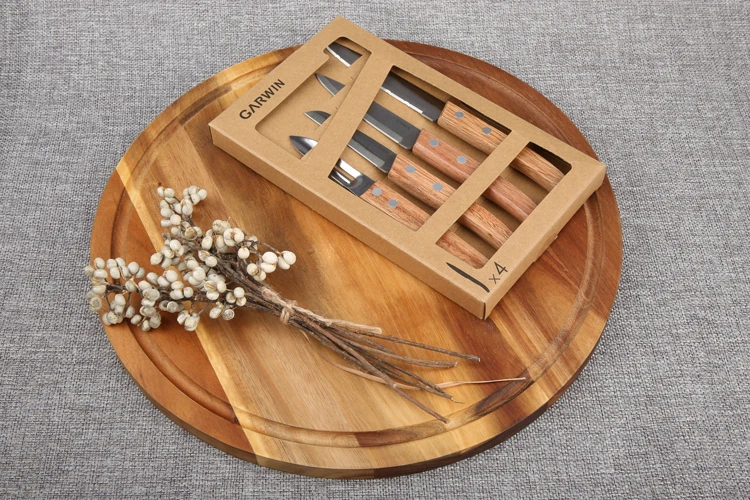
GARWIN stands out in the kitchen knife market with its commitment to quality and innovation. Here are some of their best offerings:
● High-Grade Stainless Steel: GARWIN knives are crafted from high-grade stainless steel, ensuring exceptional durability and sharpness retention. This means your knife will stay sharp longer, reducing the need for frequent sharpening.
● Ergonomic Handle Designs: Comfort is key in the kitchen, and GARWIN’s ergonomic handles are designed to reduce hand fatigue. This feature is especially beneficial during long cooking sessions, allowing for a more enjoyable experience.
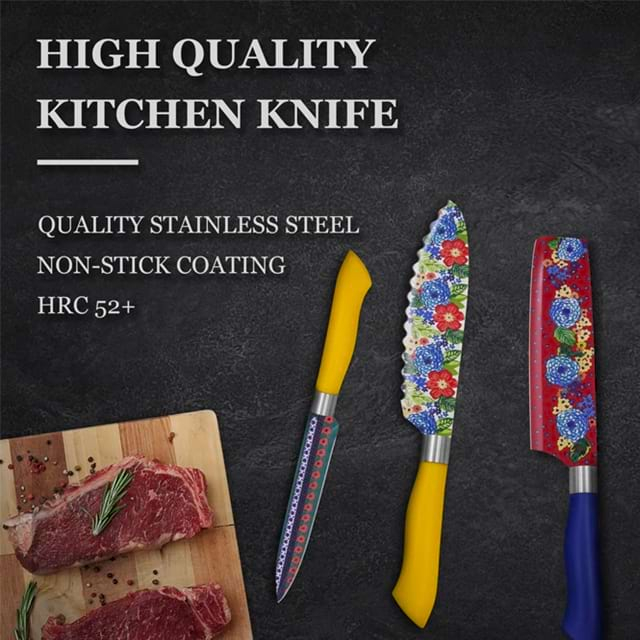
● Non-Stick Blade Coatings: GARWIN knives often come with non-stick blade coatings, making slicing and cleaning a breeze. Food slides off easily, which not only simplifies cooking but also helps maintain the knife’s sharpness.
● Customization Options: GARWIN offers ODM/OEM services, allowing customers to customize knives according to their preferences. This flexibility is perfect for restaurants or culinary schools looking to create unique branding.
Feature | Benefit |
High-Grade Stainless Steel | Durability and sharpness retention |
Ergonomic Handle Designs | Reduces hand fatigue during use |
Non-Stick Blade Coatings | Easy slicing and cleaning |
Customization Options | Tailored solutions for specific needs |
Choosing GARWIN knives means investing in quality and performance while having the opportunity to customize your kitchen tools. Whether you're a professional chef or a home cook, GARWIN's offerings can elevate your culinary experience.
With these recommendations, you can confidently select the best kitchen knife that suits your cooking style and needs. Each option brings unique features and benefits, ensuring you find the perfect fit for your kitchen.
Conclusion
Choosing the best kitchen knife is crucial for your cooking needs. A high-quality knife enhances your culinary experience and efficiency. Investing in the right tools can make a significant difference in meal preparation.
Explore GARWIN’s range of kitchen knives for reliable and durable options. They offer quality and comfort, perfect for any home cook or professional chef. Don’t compromise on your kitchen essentials—find the knife that suits you best!
FAQ
Q: What is the best kitchen knife for beginners?
A: A good choice for beginners is the Cuisinart 15-piece knife set, which offers essential tools.
Q: How often should I sharpen my kitchen knife?
A: Sharpen your knife every few weeks if used daily; otherwise, every few months is sufficient.
Q: Can I put my kitchen knife in the dishwasher?
A: No, it’s best to hand wash your knife to avoid damage.
Q: What knife is best for cutting vegetables?
A: The Wüsthof Classic chef's knife is ideal for versatile vegetable cutting.
Q: How do I know if my knife is dull?
A: If it requires more force to cut or slips while slicing, it’s likely dull.
Q: What are the advantages of GARWIN kitchen knives?
A: GARWIN knives feature high-grade stainless steel, ergonomic handles, and non-stick coatings.
Q: How does GARWIN ensure quality in its kitchen knives?
A: GARWIN uses premium materials and offers customization options to meet specific needs.