You use a paring knife to peel and trim food. It also helps you make careful cuts on small fruits and vegetables. This tool is important in the kitchen because it gives you control. It lets you do careful work on delicate foods. More people want paring knives in their knife sets. This shows they are needed for detailed food prep.
A paring knife works well for peeling and trimming. It is also good for making small, careful cuts on fruits and vegetables. This knife helps you control delicate kitchen jobs.Pick a paring knife that is sharp and strong. Make sure the handle feels good in your hand. This helps you stay safe and work better.Hold the knife the right way, like with the pinch grip. Follow safety rules to keep from getting hurt when using the paring knife.
Paring Knife in a Knife Set
Essential of Essentials
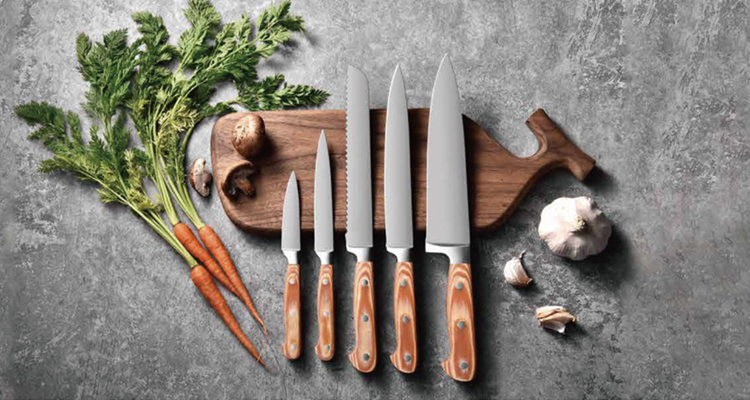
A paring knife is very important in every knife set. You will see it with chef’s knives, utility knives, and bread knives. This small blade helps you do careful work in the kitchen. It is great for peeling, trimming, and making neat cuts. Home cooks and chefs both use this knife for jobs that need accuracy.
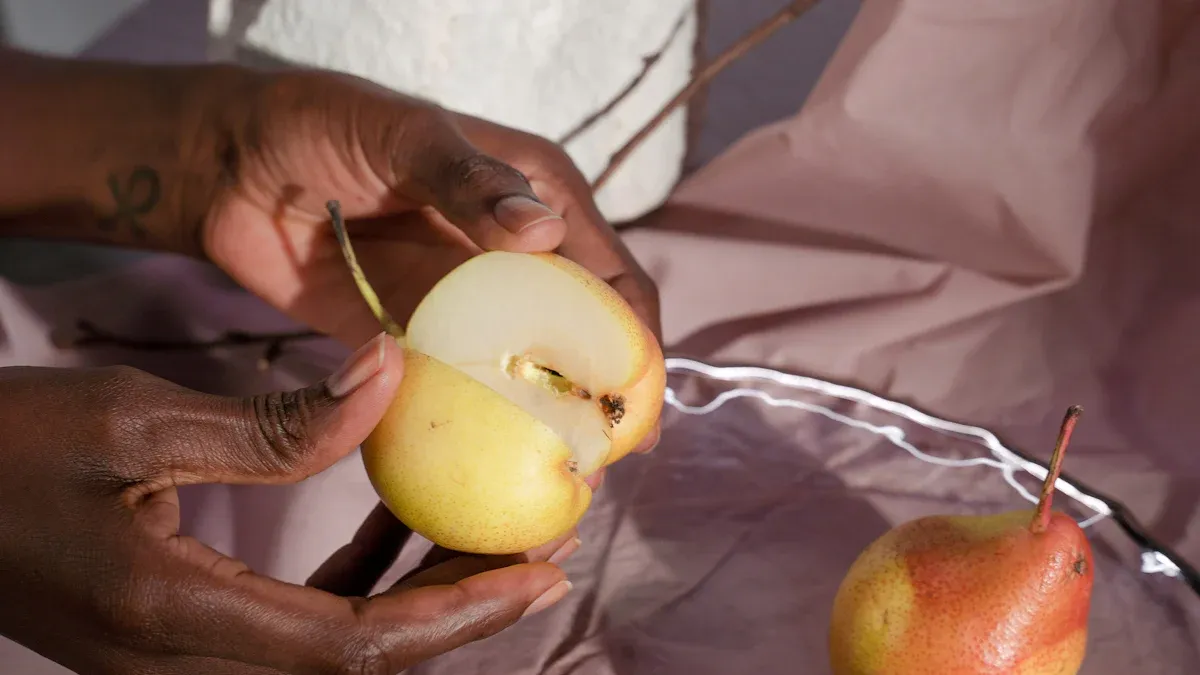
Paring knives have been used in kitchens for a long time. These special knives help you work with soft foods easily.
Common Sizes and Blade Shapes of Paring Knives
Most paring knives have blades that are 3 to 4 inches long. This size is good for small, careful tasks. There are two main blade shapes:
These knives are light and simple to use. They are perfect for small jobs that big knives cannot do.
Key Part of Any Kitchen
Paring Knife vs Chef’s Knife: Key Differences and Use Cases
A paring knife is best for peeling, trimming, and coring. It is also good for other small, careful jobs. A chef’s knife is better for cutting bigger foods. For example, use a paring knife to hull strawberries or clean shrimp. Use a chef’s knife to chop meat or big vegetables. Knowing which knife to use helps you work faster and safer.
Choosing a High-Quality Paring Knife: Materials and Craftsmanship
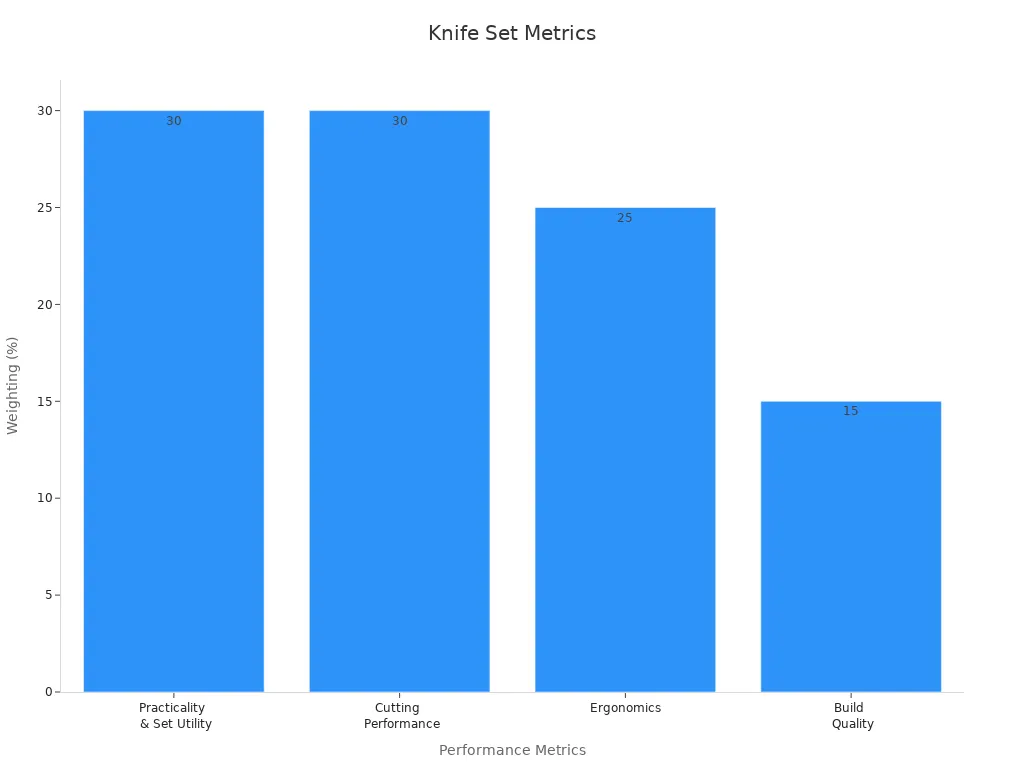
When you choose a paring knife, pick one made from high-carbon stainless steel or premium stainless steel. These blades stay sharp and strong. A full-tang design and a comfy handle help you use the knife better. Many experts like hand-forged or precision-stamped blades because they last longer. A good paring knife can become your favorite tool in the kitchen.
Performance Metric | Weighting (%) |
Practicality & Utility | 30 |
Cutting Performance | 30 |
Ergonomics | 25 |
Build Quality | 15 |
Peeling and Trimming Uses
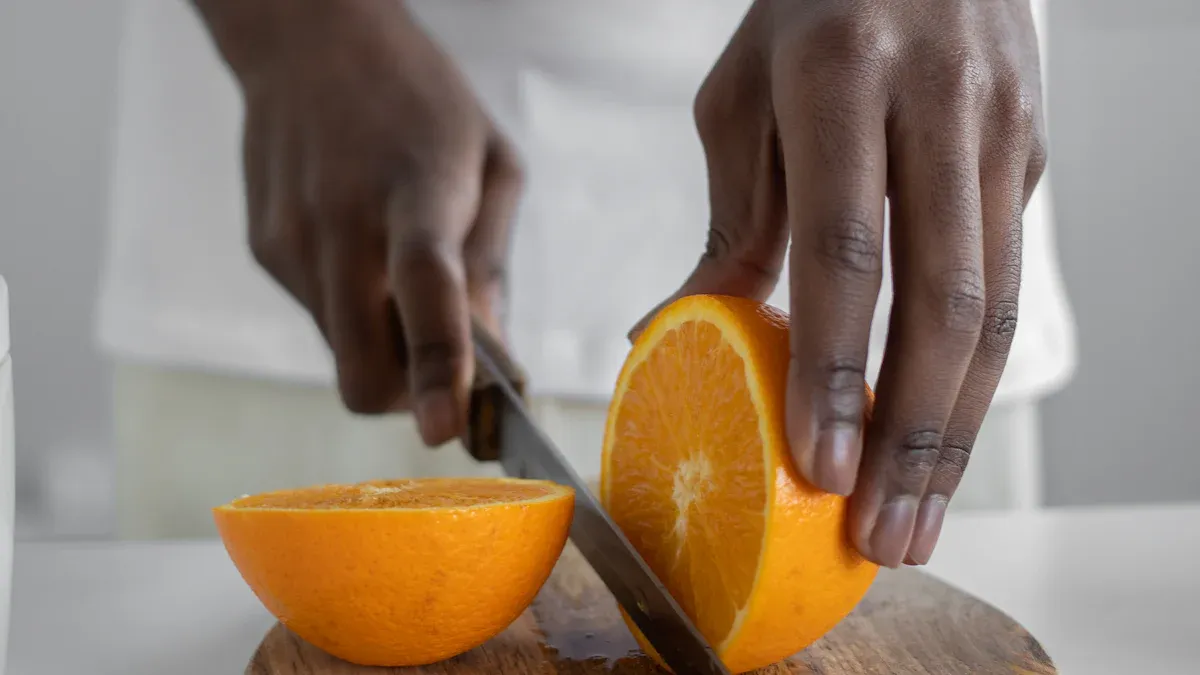
A paring knife stands out as your go-to tool for peeling and trimming. You can use it for many kitchen tasks that require a precise cut. Its small blade gives you control for handling smaller tasks, especially when working with small vegetables or delicate fruits.
Peeling Fruits and Vegetables
Peeling Apples and Potatoes with a Paring Knife
You will find a paring knife super useful for peeling. The short, sharp blade lets you remove the skin from apples and potatoes with ease. You can hold the fruit in one hand and guide the knife with the other. This method helps you make a perfect cut without wasting any flesh.
Removing Citrus Peels for Garnishes
You can also use a paring knife for peeling fruits like oranges or lemons. The blade allows you to lift off thin strips of peel for garnishes. This task needs precision work, which a larger knife cannot provide.
Trimming and Coring
Coring Strawberries and Tomatoes with Precision
A paring knife makes coring strawberries and tomatoes simple. You can dig out the stems or cores with a precise cut. The small blade fits into tight spaces, so you do not damage the rest of the fruit.
Trimming Fat and Skin from Meat
You can trim fat or skin from meat using a paring knife. The sharp tip helps you separate unwanted parts without cutting too deep. This knife is ideal for small precise kitchen tasks that need accuracy.
Precise Cuts and Small Tasks
Deveining Shrimp and Removing Seeds from Peppers
You can use a paring knife for deveining shrimp or removing seeds from peppers. The blade’s size and sharpness let you make a precise cut, which keeps the food looking neat.
Mincing Garlic and Shallots for Recipes
When you need to mince garlic or shallots, a paring knife gives you control. You can chop small amounts quickly and safely.
Creating Decorative Cuts and Garnishes
A paring knife helps you create decorative cuts for garnishes. You can carve shapes or patterns into fruits and vegetables. This knife’s design supports a professional pinch grip, which improves comfort and safety. Many users say the paring knife slices through delicate foods better than other knives.
A paring knife is highly versatile for peeling and trimming. You will find it perfect for making a precise cut on small foods, which is hard to do with larger knives.
Choosing and Using a Paring Knife
How to Hold
Standard Grip Technique
You can start with the handshake grip. Wrap your hand around the handle of the paring knife. This grip gives you strength for basic tasks. It works well when you peel or trim fruits and vegetables.
Pinch Grip for Precision
For more control, try the pinch grip. Pinch the blade just above the handle with your thumb and forefinger. Wrap your other fingers around the handle. Many chefs use this grip for detailed work. It helps you guide the paring knife with accuracy.
Tips for Small and Large Hands
Choose a paring knife that fits your hand. If you have small hands, look for a knife with a shorter blade and a slim handle. For larger hands, pick a knife with a thicker, longer handle. This helps you keep a firm grip and reduces hand fatigue.
Safety Tips for Handling a Paring Knife
Safety matters every time you use a paring knife. About 1,200 knife injuries happen daily in the U.S. You can avoid accidents by following these tips:
Always use a sharp paring knife for better control.
Never use your hand as a cutting board.
Keep your fingers curled in a claw shape to protect them.
Cut away from your body.
Store your knife in a safe place, like a block or sheath.
Picking the Right Knife
Matching Knife Size and Handle to Your Hand
Pick a paring knife that feels balanced. The handle should fit your grip. A good fit helps you work longer without discomfort.
Blade Material and Edge Type Considerations
Look for high-carbon stainless steel blades. These blades stay sharp and resist rust. Choose a handle made from wood, plastic, or composite for comfort and a secure grip.
Balancing Comfort, Control, and Intended Use
Test the knife for balance and weight. A well-balanced paring knife makes peeling and trimming easier. Use each knife for its intended purpose to avoid damage.
Brand Spotlight: GARWIN’s Expertise and Customization Services
GARWIN brings over twenty years of experience to the kitchen knife industry. The company uses advanced equipment and strict quality control. GARWIN holds certifications like BSCI, SEDEX, SGS, and ISO. You can choose from many materials and designs. GARWIN offers product and brand customization, pre-sales advice, sample support, and fast order processing. The company supports customers after the sale and builds long-term partnerships worldwide.
You will find the paring knife stands out as an essential kitchen tool.
Its small, sharp blade lets you peel, trim, and core with control.
You can handle delicate tasks that larger knives cannot do.
Experts agree you need this knife for precise kitchen work.
FAQ
What foods can you cut with a paring knife?
You can cut fruits, vegetables, cheese, and even small pieces of meat. This knife works best for foods that need careful, detailed cuts.
How do you keep a paring knife sharp?
Use a sharpening stone or a honing rod. Clean and dry your knife after each use. Store it in a knife block or sheath for safety.
Can you use a paring knife for slicing bread?
No, you should use a bread knife for slicing bread. A paring knife works best for small, precise tasks, not for cutting through crusty loaves.