Introduction
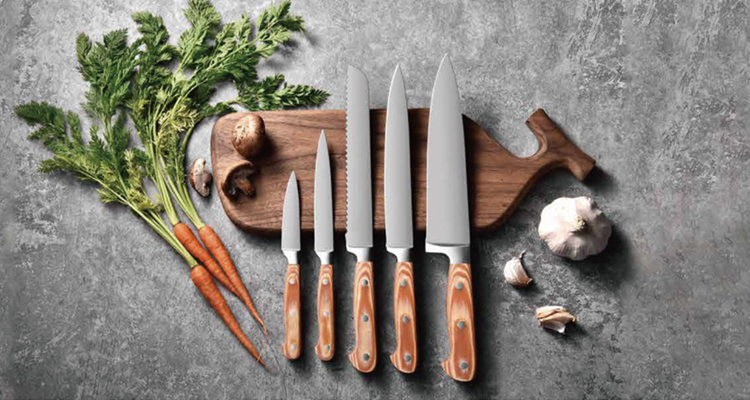
The right kitchen knives are crucial for every cook. Whether you're chopping, slicing, or dicing, the right knife can make a huge difference in both efficiency and safety.
In this article, we will discuss the various types of kitchen knives and how they can enhance your cooking experience. From versatile chef’s knives to specialized tools like the boning knife and bread knife, you’ll learn which knives best suit your needs.
By understanding each knife’s unique purpose, you can streamline your cooking process and achieve better results.
The Must-Have Kitchen Knives
Chef's Knife
A chef's knife is the most essential and versatile tool in any kitchen. With a broad, sharp blade typically between 6 and 14 inches, this knife can handle a wide variety of tasks, from chopping vegetables to slicing meats. Its curved blade allows for a rocking motion, making chopping and dicing more efficient.
● Blade Length: 6–14 inches
● Shape: Broad with a slight curve, making it ideal for rocking motion
● Uses: Slicing, dicing, chopping, mincing
There are variations in the design of chef’s knives, such as the German-style and French-style blades. German-style knives tend to have a more curved blade, which facilitates a smoother rocking motion, while the French-style blade is more straight, offering better control for delicate tasks.
Paring Knife
A paring knife is smaller, with a blade length of around 3–4 inches. It is ideal for intricate and delicate tasks that require precision, such as peeling fruits, coring vegetables, and trimming fat from meat. The short blade and pointed tip allow for more control and dexterity during small, fine work.
● Blade Length: 3–4 inches
● Shape: Small and pointed for precision
● Uses: Peeling, trimming, coring, fine slicing
The paring knife is often seen as the complement to the chef’s knife. While the chef’s knife handles larger tasks, the paring knife allows you to focus on smaller, detailed cuts with ease.
Utility Knife
The utility knife is a versatile tool, often referred to as a "mini chef's knife." It typically ranges from 4 to 7 inches and fills the gap between a chef’s knife and a paring knife. This knife is ideal for slicing fruits, cutting sandwiches, or trimming smaller cuts of meat.
● Blade Length: 4–7 inches
● Shape: Narrow blade with a pointed tip
● Uses: Slicing fruits, vegetables, small meats
Utility knives are available in both straight-edge and serrated-edge variants. The straight edge is perfect for clean, straight cuts, while the serrated edge can handle tougher materials, like tomatoes or sandwiches.
Knife Type | Ideal Use | Blade Length | Key Features |
Chef's Knife | All-purpose tasks (chopping, dicing, slicing) | 6-14 inches | Versatile, curved blade, great for most tasks |
Paring Knife | Peeling, trimming, small tasks | 3-4 inches | Small, precise blade, great for delicate tasks |
Utility Knife | Slicing fruits, vegetables, small meats | 4-7 inches | Versatile, between a chef's knife and paring knife |
Bread Knife | Slicing bread, cakes, soft produce | 7-10 inches | Serrated blade, ideal for cutting through crusty bread |
Boning Knife | Separating meat from bone | 4-6 inches | Thin, flexible blade for precise cuts |
Carving Knife | Slicing large cuts of meat (roast, turkey) | 8-15 inches | Long, thin, tapered blade for precision |
Specialty Knives for Specific Tasks
Boning Knife
A boning knife is used for removing bones from meat, poultry, and fish. It features a thin, flexible blade that allows you to maneuver around bones with ease. Boning knives are generally narrower and more flexible than other knives, making them perfect for filleting fish or trimming meat from bones.
● Blade Length: 5–7 inches
● Shape: Thin, flexible blade
● Uses: Removing bones, filleting fish, trimming fat from meat
The flexibility of the blade makes it suitable for tasks requiring precision, such as separating the skin from fish or removing cartilage from meat.
Bread Knife
Bread knives are designed with a serrated edge to easily slice through bread without crushing or tearing it. The long, serrated blade can cut through both hard crusts and soft interiors, making it perfect for slicing loaves of bread, cakes, or bagels.
● Blade Length: 7–10 inches
● Shape: Serrated blade with a long cutting surface
● Uses: Slicing bread, cakes, and other baked goods
The serrated edge allows the knife to grip the bread's surface and cut through it smoothly. The size of the serrations varies, with smaller serrations being better for soft bread and larger ones for harder, crustier loaves.
Carving Knife
A carving knife is used for slicing large cuts of meat, such as turkey, ham, or roast beef. It has a long, thin blade that helps make precise, even slices without tearing the meat. The blade is typically between 8 and 15 inches long and is designed to ensure that each slice is as thin and even as possible.
● Blade Length: 8–15 inches
● Shape: Long, thin, slightly tapered blade
● Uses: Slicing large cuts of meat
Carving knives are often paired with a carving fork to stabilize the meat while slicing.
Japanese Kitchen Knives
Santoku Knife
The Santoku knife is a traditional Japanese knife known for its versatility. Its name, meaning "three virtues," refers to its ability to slice, dice, and mince. The Santoku has a shorter blade, typically 5–7 inches long, and is well-suited for chopping vegetables, fish, and meat.
● Blade Length: 5–7 inches
● Shape: Flat blade with a slight curve
● Uses: Chopping, dicing, mincing
The Santoku’s flat blade allows for clean, straight cuts without the rocking motion required by a chef's knife. It’s particularly effective when working with vegetables and fish.
Nakiri Knife
The Nakiri knife is another Japanese specialty knife designed specifically for vegetable preparation. Its straight-edged, wide blade is perfect for chopping through vegetables with precision. The flat blade allows for easy, clean cuts without breaking the structure of the vegetables.
● Blade Length: 6–7 inches
● Shape: Flat blade with straight edge
● Uses: Cutting vegetables
Nakiri knives are excellent for tasks like slicing cucumbers or chopping onions. The flat edge ensures that all parts of the blade make contact with the cutting surface at once, providing a smoother, more even cut.
Sushi Knife
A sushi knife is specifically designed for slicing raw fish and other delicate ingredients for sushi preparation. With a long, narrow blade, it allows the chef to cut the fish into thin slices with minimal pressure, ensuring the texture and flavor of the fish are preserved.
● Blade Length: 8–10 inches
● Shape: Long, narrow, tapered blade
● Uses: Slicing fish for sushi
The sushi knife is a specialized tool that makes it easier to prepare sushi rolls or sashimi with professional results.
Other Specialized Knives
Cleaver
A cleaver is a large, heavy-duty knife designed for cutting through meat and bones. The cleaver’s wide, flat blade provides the leverage needed for tougher chopping tasks, and it’s also effective for smashing garlic and crushing vegetables.
● Blade Length: 6–8 inches
● Shape: Wide, heavy blade
● Uses: Cutting through bones, chopping tough materials
Cleavers are versatile tools that can handle the toughest kitchen tasks, but they should be used with care due to their size and weight.
Cheese Knife
Cheese knives are designed for slicing both soft and hard cheeses. They typically feature a perforated blade to prevent the cheese from sticking. Some have a forked tip for serving.
● Blade Length: 5–6 inches
● Shape: Perforated or serrated edge
● Uses: Cutting and serving cheese
A cheese knife ensures clean, smooth cuts, even for the most delicate cheeses like brie or hard cheeses like parmesan.
Task | Best Knife Type | Blade Type | Additional Notes |
Slicing vegetables | Santoku, Nakiri | Straight edge | Both knives excel in precision vegetable slicing |
Cutting bread | Bread knife | Serrated blade | Serrated edges prevent crushing of bread |
Deboning meat | Boning knife | Flexible blade | Ideal for working around bones without damaging meat |
General chopping | Chef's knife | Curved blade | Versatile knife for most chopping tasks |
Carving roasts | Carving knife | Thin, tapered | Best for thin, precise slices of meat |
Essential Kitchen Knife Features
Blade Material
The material of the blade is one of the most important factors in determining a knife’s performance. Common materials include stainless steel, carbon steel, and high-carbon stainless steel. Stainless steel is resistant to rust and corrosion but may require more frequent sharpening. Carbon steel holds an edge longer but can rust if not properly maintained. High-carbon stainless steel offers the best of both worlds, providing durability and sharpness.
Handle Design and Comfort
The handle material and design significantly affect how comfortable and secure the knife feels during use. Common materials include wood, plastic, and composite materials. Look for a handle that fits comfortably in your hand and provides a secure grip. The ergonomics of the handle also reduce hand fatigue, allowing for longer, more comfortable use.
Maintaining your knives is essential for keeping them sharp and extending their lifespan. Regular sharpening, proper storage, and cleaning are key to ensuring your knives remain functional and effective. Use a sharpening stone or a honing rod to maintain the blade's edge and store knives in a knife block to avoid damage.
Conclusion
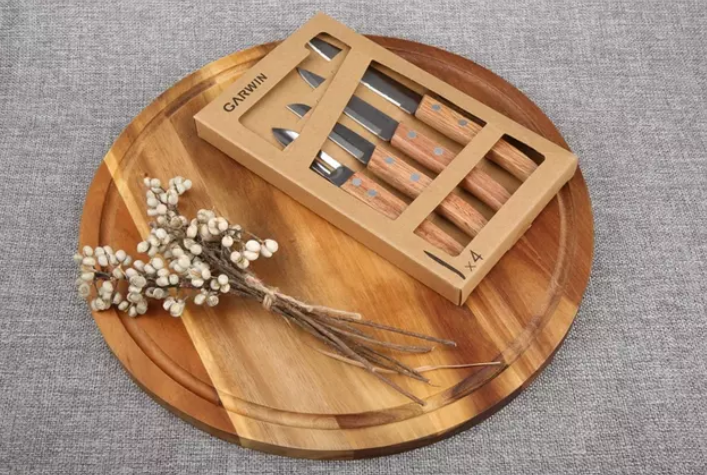
Choosing the right kitchen knives is essential for improving cooking efficiency and skills. Knives like the versatile chef’s knife, precise paring knife, and specialized bread knife ensure you're equipped for any recipe. Understanding features such as blade material, handle design, and maintenance helps make an informed purchase. Investing in quality knives, like those from Garwin, will make cooking more enjoyable, precise, and efficient.
FAQ
Q: What are the main types of kitchen knives?
A: The main types of kitchen knives include chef’s knives, paring knives, utility knives, bread knives, boning knives, and carving knives. Each serves a specific purpose for different tasks in the kitchen.
Q: How do I choose the right kitchen knife?
A: Choose a kitchen knife based on the task at hand. A chef's knife is versatile for most tasks, while a paring knife is perfect for delicate tasks like peeling. Consider blade material and handle design for comfort and durability.
Q: What are the differences between a chef's knife and a utility knife?
A: Chef’s knives are larger and versatile, ideal for chopping, dicing, and slicing. Utility knives are smaller and great for precise tasks like cutting fruits or vegetables, falling between the size of a paring knife and a chef's knife.
Q: Are expensive kitchen knives worth the investment?
A: Yes, high-quality kitchen knives often offer better durability, sharper edges, and improved comfort. Investing in quality knives, like those from Garwin, can enhance cooking efficiency and provide long-lasting performance.
Q: How should I maintain my kitchen knives?
A: Regularly sharpen your kitchen knives and store them properly to prevent damage. Use a sharpening stone or steel, and ensure knives are stored in a knife block or magnetic strip for safety.